
Two of the biggest buzzwords within the last two years: Artificial Intelligence and Blockchain. No other keywords drew so much attention in the tech or finance space. But what is really behind the hype? How big is the potential for projects situated, especially at the intersection of Generative AI and Web3?
Imagine a world where AI artists create digital art unchangeable on a blockchain or where decentralized systems automate transactions based on complex algorithms. Although innovation is gaining pace, some think this still sounds like a distant future. Meanwhile, high-profile investors have realized the disruptive potential and started investing heavily: According to Binance, AI-related Web3 projects raised almost $300M in 2023, double the amount raised from 2016 to 2022.
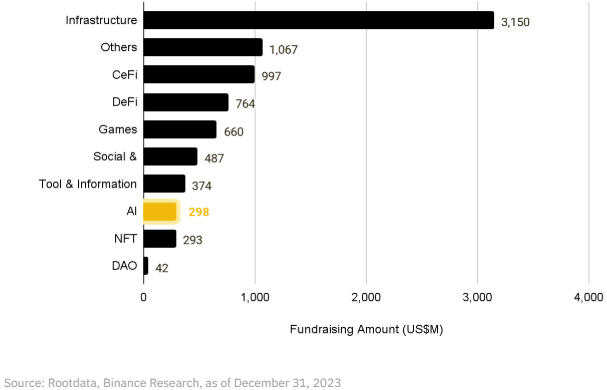
Crypto X AI funding in 2023
An Introduction to Blockchain and Generative AI
Before exploring various use cases, let’s consider what both technologies bring to the table. A Blockchain is a decentralized ledger that ensures security through a distributed network of nodes. On the other hand, generative AI refers to AI systems capable of generating content like text, images, and music, often very similar to human-created content. Or would you be able to detect whether or not we used AI tools to write this article?
Psst, we did this only to correct our grammar.
Together, these technologies can create a synergy that opens up unbelievable possibilities.
What are the Fundamental Promises of Blockchain Technology?
Blockchain technology addresses several issues in today’s digital world:
- Decentralization: Eliminates the need for central authorities, reducing the risk of single points of failure. This decentralization ensures that no single entity controls the entire network, enhancing resilience and democratic governance.
- Security: Blockchain utilizes cryptographic techniques to secure transactions and data, making them tamper-proof. Once data is recorded, it cannot be altered without altering all the following blocks. This makes blockchain highly secure against fraud and cyber-attacks.
- Transparency: Blockchain is a pseudonymous technology and offers transparent and traceable transactions and accounts. Every transaction recorded on the blockchain is visible to all participants, which leads to accountability in processes such as supply chain management or financial transactions.
What Does Generative AI Solve?
Generative AI has come in quite handy for everyone who quickly adapted to the first-ever ChatBot that showed us the true capabilities of artificial intelligence: ChatGPT. For example, AI can autonomously produce creative content, from writing, music, art, and coding. Let’s be honest: Who hasn’t used AI models so far? More than 100 million onboarded users within two months speak for itself. What required significant human effort before is now broken down to writing accurate prompts for the machines to understand.
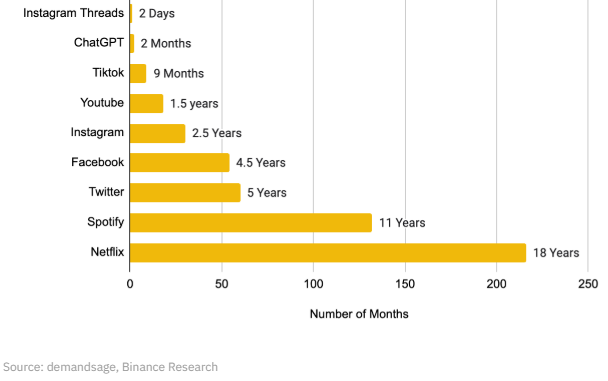
Users Onboarded per Type of Technology
In addition to creativity and automation, generative AI tailors content to individual user preferences. AI can provide highly personalized solutions by analyzing user data and behaviors, improving workflows and customer satisfaction. Companies like OpenAI and Google are at the forefront of developing these AI technologies, integrating them into various applications to transform user interactions.
The Future of Blockchain and Generative AI
Long before this blog post was written, writers took guesses on what projects trying to profit from the best of both worlds could look like. Which problems could they solve? Are we heading towards issues that we would have never had?
While some predictions came true, the one that (so far) didn’t come to fruition was “blockchain as a guardian of intellectual property (IP) copyrights, when generated by AI models.” Blockchain would help ensure that individuals or companies receive royalties for their intellectual property rights when generative AI produces an output based on information provided by others.
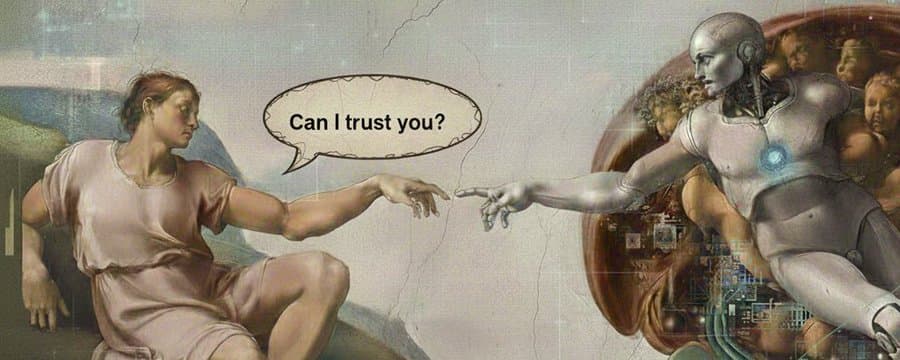
As we mentioned, you couldn’t tell whether this content was AI-generated without us disclosing it. Blockchain solutions, however, would go deeper by tagging the origin of content. Ever heard of laws protecting the origin of the real champagne to its geographical location in France? Well, that’s very similar to blockchain protection of IP rights. Integrating blockchain into AI systems can establish trust and transparency for human and AI-generated content. This synergy can help verify the authenticity of AI-generated content.
Exploring Different Use Cases
Although blockchain and generative AI could be important in a not-so-distant future, multiple projects exist today. Here are some notable examples:
Decentralized Art and Content Creation. Generative AI can create digital art, which can then be authenticated and sold as NFTs on blockchain platforms. It ensures the originality and ownership of the artwork and provides artists with new revenue streams. Projects like Art Blocks and Async Art are pioneering, merging AI creativity with blockchain security.
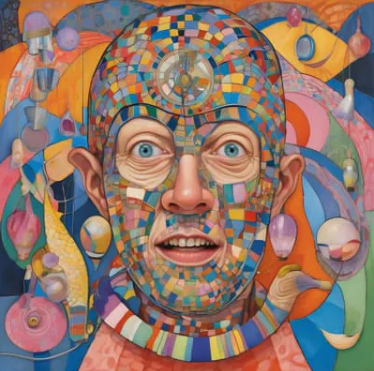
AI generated NFT. Source: Botto.com
AI-Driven Financial Services. In the financial sector, generative AI can analyze market trends and generate trading strategies, while blockchain ensures transparent and secure transaction execution. This combination can improve the efficiency and security of financial services, providing more accurate and trustworthy financial products.
Autonomous Agents and Smart Contracts. Fetch.ai combines blockchain with AI to create autonomous agents. These agents can use generative AI to optimize logistics, improve decision-making processes, and negotiate. Smart contracts on the blockchain ensure these transactions are secure and transparent, eliminating middlemen.
Decentralized Data Marketplaces. Another company, Ocean Protocol, enables secure and transparent data sharing, supporting AI and machine learning applications. Generative AI models can utilize this data to generate new insights and solutions, enhancing research and development across various industries. Blockchain ensures that data transactions are secure and traceable.
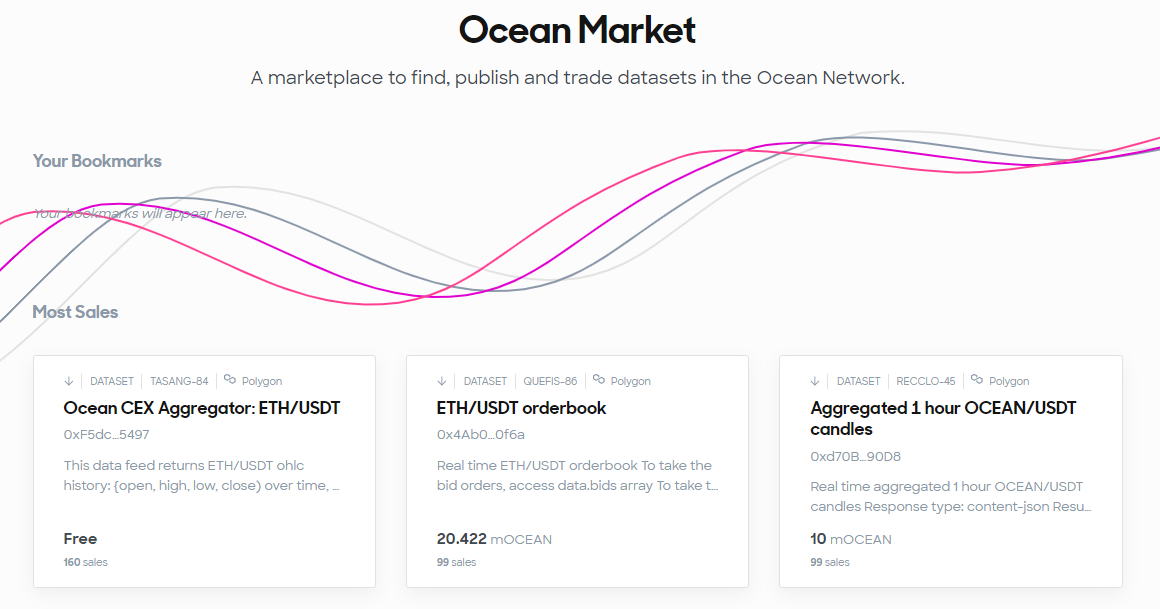
Ocean Market. Source: Oceanprotocol.com
AI in Gaming. Generative AI can create unique in-game content and characters, while blockchain can secure ownership and trade of these digital assets. This combination can lead to more immersive and interactive gaming experiences. Companies like Dapper Labs, known for CryptoKitties and NBA Top Shot, use these technologies to create unique digital collectibles and gaming experiences.
AI-Powered DAOs. AI can enhance the decision-making processes within DAOs by providing data-driven insights. Blockchain ensures that these decisions are transparent and democratically executed. AI DAOs enable more efficient organizational structures, leading to new forms of governance.
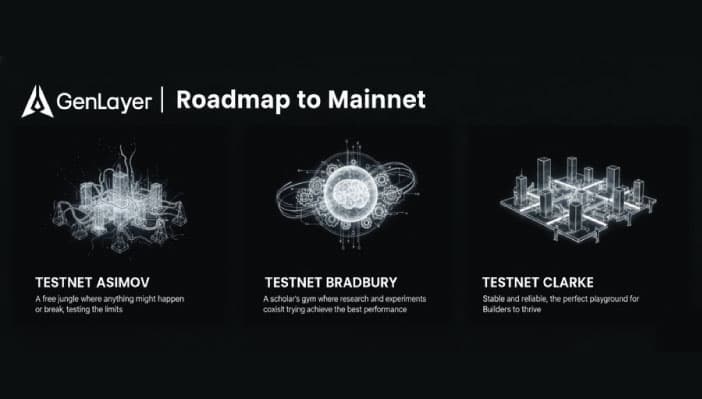
LLM Models and Blockchain: The Role of GenLayer
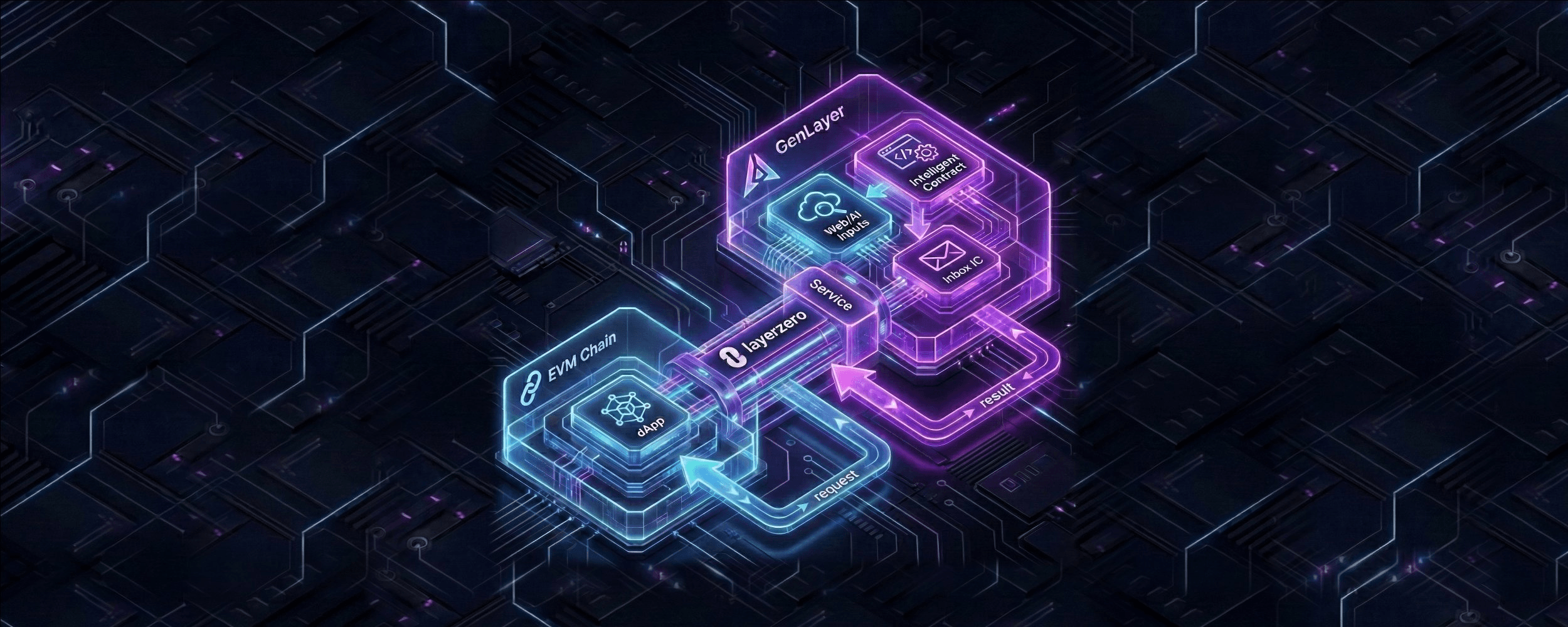
GenLayer is a blockchain that leverages Large Language Models (LLMs) on the blockchain, focusing on a niche of Generative AI on-chain. The company uses LLM capabilities to access the Internet and process Natural Language Instructions.
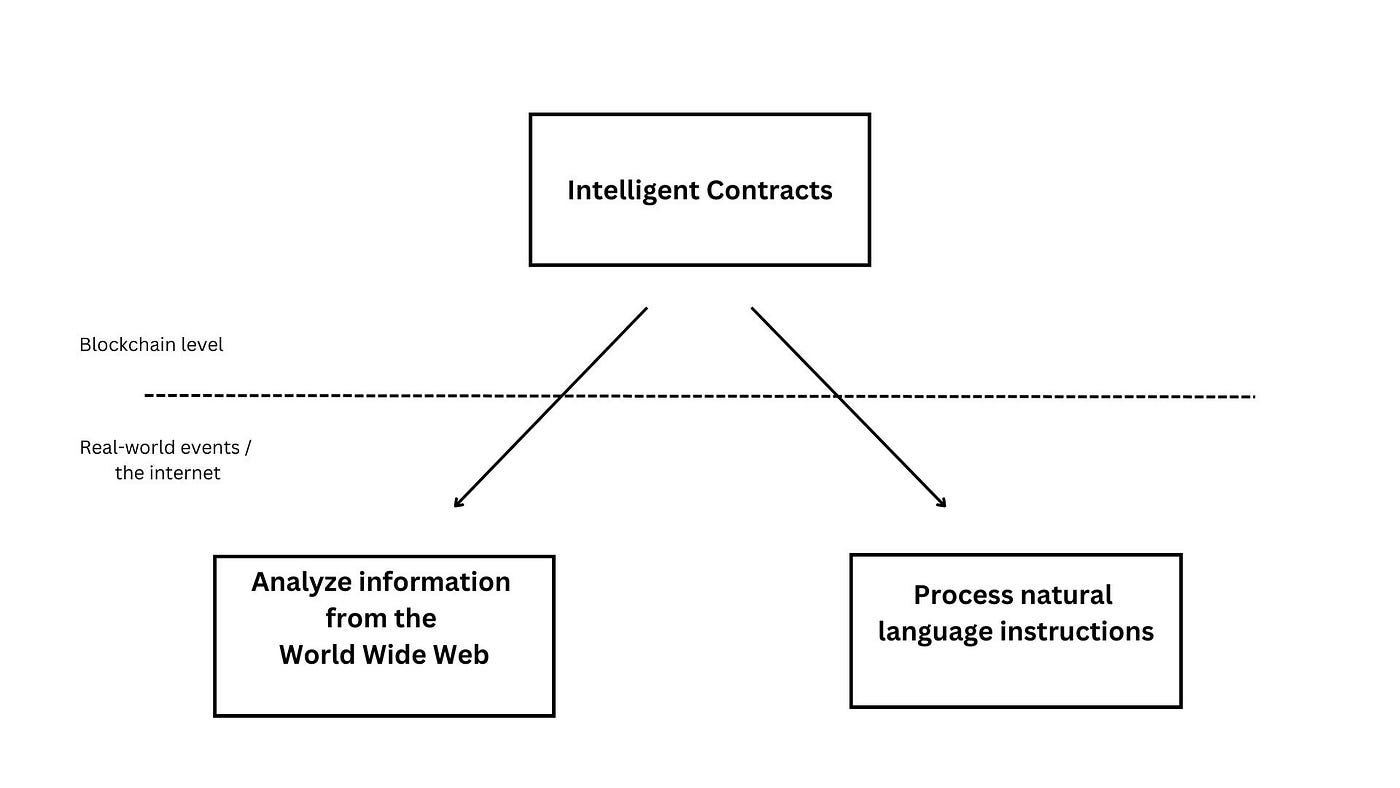
Intelligent Contracts. Source: Blog.genLayer.com
Here are some use cases from GenLayer that showcase this synergy:
- Generative Memes: AI models create funny and engaging content, demonstrating the creative potential of generative AI.
- AI-powered DAOs: A new type of AI-powered DAOs can be created on GenLayer that always aligns with the foundational statutes. You could have a fully independent DAO that issues its own bounties, evaluates grant proposals, and decides how to allocate its resources in accordance with its constitution.
- World Database (Information Gathering and Verification): GenLayer can act as an information-gathering service. It would be possible to set up an Intelligent Contract that scrapes the Internet for new information on a new topic and writes it on the blockchain if the data is new or an update is required. Also, human proposers could be rewarded for finding and summarizing new information about a certain topic and submitting it to the contract.
With its capacity to act like a world database, GenLayer comes closest to the vision mentioned at the beginning of the article. When information is scraped and stored by LLMs, the origin of the content could be automatically attached to it, leading to a universal database with automated royalty payouts and distribution.
Conclusion
The fusion of generative AI and blockchain has great potential. This fusion addresses existing challenges in digital content creation, security, and regulatory compliance and opens up new possibilities for decentralized applications.
As projects like SingularityNET, Fetch.ai, Ocean Protocol, and GenLayer continue to innovate, we expect to see a growing ecosystem of applications combining both technologies’ strengths. Whether you’re a developer, an investor, or a tech enthusiast, the future of generative AI and blockchain promises to be an exciting frontier worth exploring.